Chili Pepper Font: Bold and Vibrant
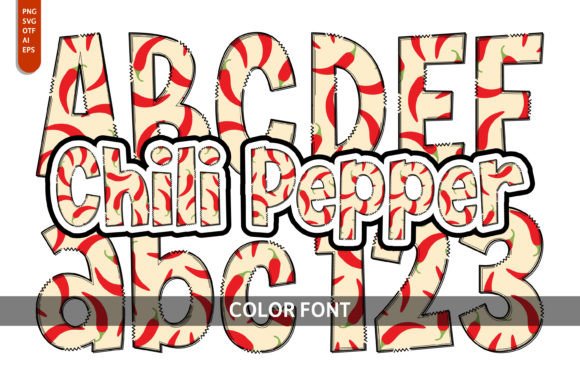
Chili Pepper is a color font that brings energy and visual flair to editorial design. Its playful, spicy aesthetic makes it ideal for content that needs to stand out while maintaining a professional edge. The font’s vibrant red tones and stylized chili pepper characters add a unique personality to any project.
Designed with a focus on readability and impact, Chili Pepper works well in headings, titles, and graphic elements where boldness matters. It’s particularly suited for food-related content, but its versatility extends to lifestyle blogs, digital magazines, and creative publications looking to make a statement.
Using Chili Pepper in Editorial Design
For bloggers and publishers, Chili Pepper offers a fresh alternative to standard typefaces. It can be used in blog headers, magazine covers, and ebook titles to create an immediate visual connection with readers. The font’s lively character helps set the tone for content that aims to engage and inspire.
In magazine layouts, Chili Pepper adds a dynamic element to section headings and pull quotes. Its bright red hues can be used as an accent to draw attention to key points or highlight important sections of an article. When paired with a clean sans serif or serif font, it creates a balanced yet striking typographic hierarchy.
Chili Pepper in Content Branding
For brands and independent creators, Chili Pepper provides a strong visual identity. It’s perfect for lead magnets, printable guides, and worksheets where a bold, eye-catching title is essential. The font’s distinctive style reinforces brand recognition and helps establish a memorable presence across different mediums.
When designing a wedding guide or a coaching workbook, Chili Pepper can be used to emphasize key themes or sections. Its playful nature aligns well with lifestyle and creative content, making it a great choice for digital products that aim to feel both professional and approachable.
Practical Applications for Chili Pepper
Chili Pepper excels in short-form text such as headlines, cover text, and quote graphics. Its visual appeal makes it ideal for social media graphics, web design, and packaging design where a strong first impression is crucial. However, it’s best used sparingly in longer reading passages due to its stylized appearance.
For a lifestyle blog, using Chili Pepper in post titles and featured images can help differentiate content from competitors. In a recipe ebook, it can be used for chapter openers or ingredient lists to add a touch of personality without overwhelming the reader.
Readability and Cross-Platform Considerations
While Chili Pepper is visually engaging, it’s important to consider how it performs across different platforms. On mobile devices and screens, the font remains legible at larger sizes, making it suitable for headers and banners. For print, its vibrant colors ensure it stands out on pages and promotional materials.
When exporting to PDF or using in digital newsletters, ensure the font is properly embedded to maintain its visual integrity. Testing the font in various formats helps confirm that it delivers consistent results across devices and applications.
Font Pairing for Editorial Use
To maximize the effectiveness of Chili Pepper, pair it with complementary fonts that enhance readability. A serif font like Georgia or Garamond works well for body copy, offering contrast and clarity. A clean sans serif like Open Sans or Lato can serve as a reliable companion for captions, subheadings, and navigation elements.
For a more modern look, combine Chili Pepper with a minimalist display font that complements its fiery energy. This approach allows for creative flexibility while maintaining a cohesive design language across publications.
Commercial Licensing and Usage
When using Chili Pepper in commercial projects such as ebooks, templates, or paid newsletters, ensure the licensing terms allow for such use. Most premium fonts include clear guidelines for different types of projects, helping creators avoid legal issues while maximizing their design potential.
For client publications or digital downloads, check if the license supports multiple users or extended distribution. Understanding these details ensures that Chili Pepper can be used effectively without restrictions.
Enhancing Reader Engagement with Chili Pepper
Chili Pepper adds a sense of excitement and creativity to content, making it a valuable tool for engaging readers. Whether used in a digital magazine, a printable planner, or a creator newsletter, its bold style captures attention and encourages interaction.
By incorporating Chili Pepper into design elements such as callout boxes, section dividers, and title cards, publishers can create a more immersive reading experience. Its ability to convey mood and personality makes it an excellent choice for content that aims to resonate emotionally with its audience.
Final Thoughts on Chili Pepper
Chili Pepper is more than just a font—it’s a design asset that brings energy and character to editorial work. Its vibrant style and versatile application make it a go-to choice for publishers, bloggers, and designers looking to elevate their visual storytelling.
Whether used in a recipe ebook, a lifestyle blog, or a digital magazine, Chili Pepper offers a unique way to express creativity while maintaining professionalism. With careful pairing and thoughtful placement, it can transform the look and feel of any publication.