Pine: A Cute Dingbat Font for Creative Projects
There I was, staring at a blank brand board, trying to figure out how to bring a cozy, festive vibe to a small café’s visual identity. The client wanted something warm, approachable, and just a little bit whimsical. That’s when I remembered Pine—a cute dingbat font designed specifically for the Christmas season. It wasn’t just about the holidays, though. Its playful character had a lot to offer beyond seasonal use.
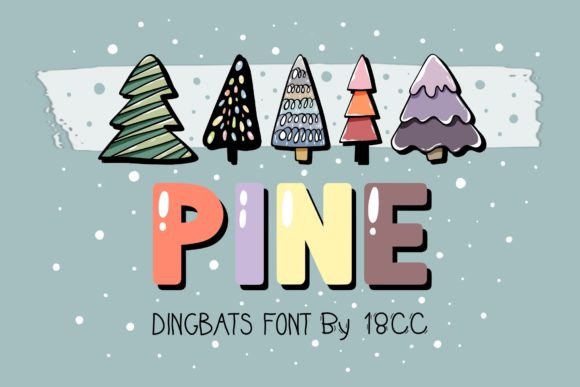
Pine is a dingbat font with a distinct personality. It’s not your typical serif or sans serif—it’s more like a handwritten sketch with a soft, rounded edge. The letterforms have a gentle, almost childlike charm, but they’re also refined enough to feel professional. It’s the kind of font that makes you want to add a little extra flair to your designs, whether it’s on a logo, a packaging label, or a social media post.
When I first tested Pine on a logo draft, I was immediately drawn to its ability to convey warmth without being too loud. It worked well as a headline font, adding a touch of personality to the café’s name. But what really stood out was how it paired with other fonts. I tried it alongside a clean sans serif for body text, and the contrast created a nice balance—Pine brought the fun, while the sans serif kept things readable and modern.
One of the things I love about Pine is its versatility. It’s not just for Christmas; it can work in a variety of design contexts. I used it on a set of product labels for a local artisan shop, where it added a handmade feel without overpowering the content. On a business card, it gave the design a personal touch, making the brand feel more connected to its audience. Even on a website header, it managed to stand out without being distracting.
Readability is always a concern with display fonts, but Pine strikes a good balance. It’s not overly ornate, so it works well in short-form text like headlines, captions, or callout boxes. For longer paragraphs, I’d recommend pairing it with a more traditional typeface. That way, you get the visual appeal of Pine without sacrificing legibility.
In terms of design applications, Pine shines in branding projects that aim for a friendly, creative, or nostalgic feel. It’s perfect for logos, packaging, and promotional materials where a bit of personality is needed. I’ve also used it in editorial design, such as for a seasonal newsletter or a holiday-themed flyer. Its charm makes it ideal for anything that needs a little extra flair.
When working with clients, I always suggest testing a font in real-world scenarios before committing to it. With Pine, I made mockups of shop signs, label stickers, and Instagram posts to see how it would look in different formats. This helped me understand its strengths and limitations, and it gave the client a clearer idea of how the font would fit into their overall brand strategy.
If you're looking to add some character to your design work, Pine is a great option. It’s especially useful for projects that require a touch of playfulness or a connection to the holiday spirit. But don’t let the seasonal aspect limit your creativity—its style is adaptable and can work in a range of design contexts.
One thing to keep in mind is that Pine is a dingbat font, which means it includes decorative elements rather than full character sets. This makes it ideal for accents, symbols, or small bursts of visual interest. If you need a full alphabet, you might want to pair it with another font that complements its style.
For commercial use, Pine offers a range of file formats and licensing options, which is important for designers who need to ensure their work is legally sound. It’s also worth checking out the font’s alternate characters and ligatures, as these can add variety and help prevent repetition in your designs.
Overall, Pine is a valuable addition to any designer’s toolkit. Whether you’re working on a holiday campaign, a boutique brand, or a creative project that needs a little extra personality, this font has the potential to elevate your work. It’s not just about aesthetics—it’s about creating a visual language that resonates with your audience and strengthens your brand identity.
As I wrapped up the café project, I felt confident that Pine had played a key role in shaping the brand’s visual story. It wasn’t just a font; it was a tool that helped bring the client’s vision to life. And that, in the end, is what great design is all about.